Comprehensive Buyer’s Guide: Selecting Carbon Fiber for Drone UAV Frames
In the fast-paced arena of unmanned aerial vehicles (UAVs), the choice of frame materials can significantly impact performance and reliability. Notably, around 75% of UAV failures are linked to frame issues, underscoring the importance of selecting the right material. This guide provides a detailed examination of carbon fiber for drone UAV frames, celebrated for its superior strength-to-weight ratio. We’ll delve into its distinct advantages, compare it with alternative materials, and offer insights into making informed purchasing decisions. Drawing on over two decades of expertise from Impact Materials, a leader in composite solutions with over 3,200 successful projects, this guide equips buyers with the knowledge to optimize their UAV designs. For detailed specifications and sourcing options, refer to this comprehensive guide on learn more here for more technical context.
Comparing Carbon Fiber Grades and Alternatives
Understanding Material Grades
Carbon fiber is available in various grades, each offering different performance characteristics. The tensile strength ranges from 2,400 to 3,500 MPa, with higher grades offering enhanced strength. These high-performance grades are suitable for demanding applications where structural integrity is crucial.
Carbon Fiber vs. Traditional Materials
Compared to aluminum, carbon fiber offers a superior strength-to-weight ratio, which can reduce frame weight by as much as 30%. This weight reduction translates into longer flight times and improved payload capacity. In contrast, materials like aluminum may provide cost benefits but fall short in performance, especially in weight-sensitive applications.
Advantages and Cost-Performance Analysis
Strength and Lightweight Benefits
Carbon fiber’s lightweight nature allows for significant reductions in UAV frame mass, benefiting flight efficiency. Its tensile strength supports high-stress applications, making it more effective than traditional materials. Despite its higher upfront cost, its lifecycle performance often justifies the investment.
Durability and Environmental Resistance
The durability offers exceptional resistance to corrosion and environmental wear, which is vital for UAVs operating in harsh conditions. For example, carbon fiber performs excellently in marine environments where other materials might degrade. This resilience contributes to the material’s long-term value.
Impact Materials provides carbon fiber for drone UAV manufacturer solutions with guaranteed longevity and reduced maintenance needs.
Customization and Application Versatility
Tailored Designs
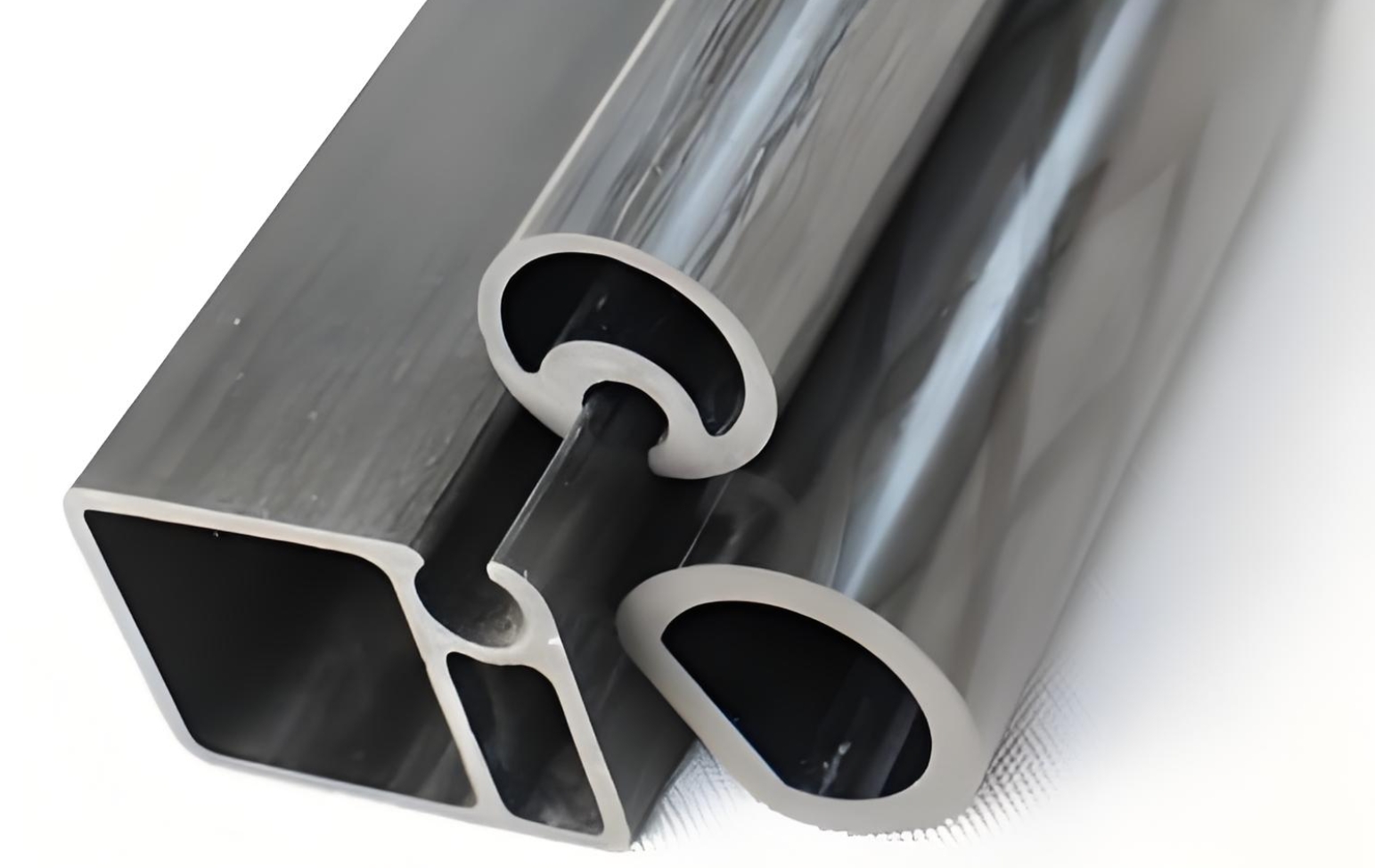
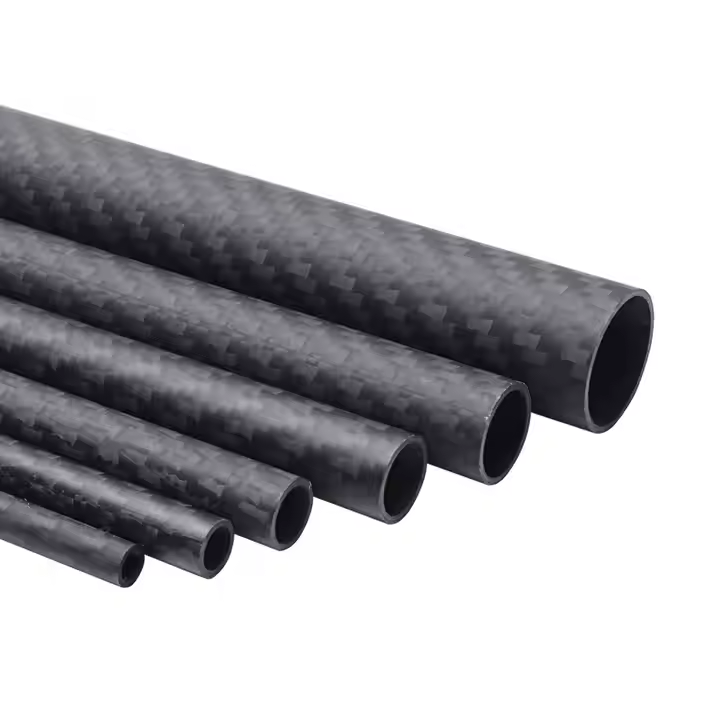
Carbon fiber’s capability to be molded into custom sizes and shapes is particularly beneficial for aerospace and automotive industries that demand precise dimensional requirements. Whether crafting a unique frame shape or a specific tube design, customization offers significant design flexibility.
Applications Beyond UAVs
Beyond UAVs, carbon fiber is applied across diverse sectors, from automotive reinforcement to sporting goods. Its adaptability ensures it can meet various operational requirements, confirming its role as a versatile solution in advanced materials engineering.
Technical Specifications and Standards
Key Specification Metrics
For buyers, understanding key metrics such as tensile strength, elongation, and fiber volume fraction is crucial. Tensile strengths typically span 2,400 to 3,500 MPa, with elongation between 1.5% and 2.5%, and fiber volume fractions between 55% and 70%. These figures are key to predicting performance and making informed choices.
Standards Compliance
Compliance with established standards like ISO 14125 and ASTM D3039 provides assurance of quality. These standards test flexural and tensile properties, respectively, ensuring the material meets rigorous performance criteria. Impact Materials’ products adhere to these standards, offering buyers reliable solutions.
Decision Matrix for Buyers
| Consideration | Carbon Fiber | Aluminum |
|---|---|---|
| Strength-to-Weight Ratio | Excellent | Good |
| Durability | High | Moderate |
| Cost | Higher | Lower |
| Customizability | High | Limited |
Frequently Asked Questions
What certifications should I look for when purchasing carbon fiber?
Ensuring that your carbon fiber materials are ISO 9001 certified and comply with relevant ASTM and ISO standards is essential for quality assurance. These certifications guarantee that the products have passed stringent testing and are suitable for high-performance applications.
For a comprehensive selection of certified carbon fiber products, visit Impact Materials for carbon fiber for drone UAV solutions.
Need a custom solution? Our technical experts are ready to help.
Sourcing and Procurement Insights
Choosing the Right Supplier
Selecting a supplier with the right credentials is vital. Look for ISO 9001 certification and a proven track record of successful projects. Impact Materials, based in Hangzhou, China, serves 120+ countries and offers over 400 product specifications, ensuring we meet diverse global demands. Our commitment to quality and reliability is reflected in our 3,200+ project successes.
Logistics and Lead Times
Understanding logistics is critical in the procurement process. Typical lead times for carbon fiber products range from 4 to 8 weeks, depending on customization requirements. Buyers should also consider minimum order quantities (MOQs) when planning their purchases. Impact Materials provides comprehensive support, from raw material sourcing to finished product delivery, ensuring a seamless supply chain experience.
Cost-Effectiveness and Value
Balancing Cost with Performance
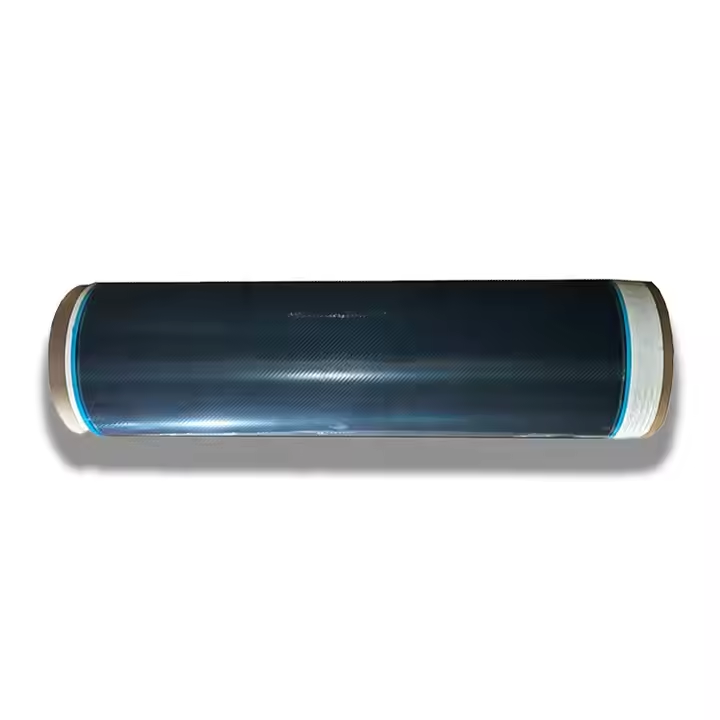
While carbon fiber may have a higher upfront cost compared to traditional materials, its long-term benefits often result in cost savings. Reduced maintenance, improved performance, and longer lifespan contribute to a favorable return on investment. Our Matte / Glossy Pultrusion Carbon Composite Material is designed to offer both aesthetic and functional advantages, ensuring value for money.
Investment in Technology
Investing in advanced materials like carbon fiber is a strategic decision for companies aiming for innovation and market leadership. By leveraging Impact Materials’ expertise and solutions, businesses can enhance their product offerings and achieve competitive advantages in their respective industries.
More Carbon Fiber For Drone Uav Frame Solutions
Discover additional carbon fiber for drone UAV frame options to meet your specific project requirements.
[[COMPONENT_TABLE_1]]
Ready to Source Quality Composite Materials?
Impact Materials serves 120+ countries with 400+ product specifications. Get your custom quote in 24 hours.